

From Inventory to Intelligence: How AI Is Reshaping Industrial Supply Chains
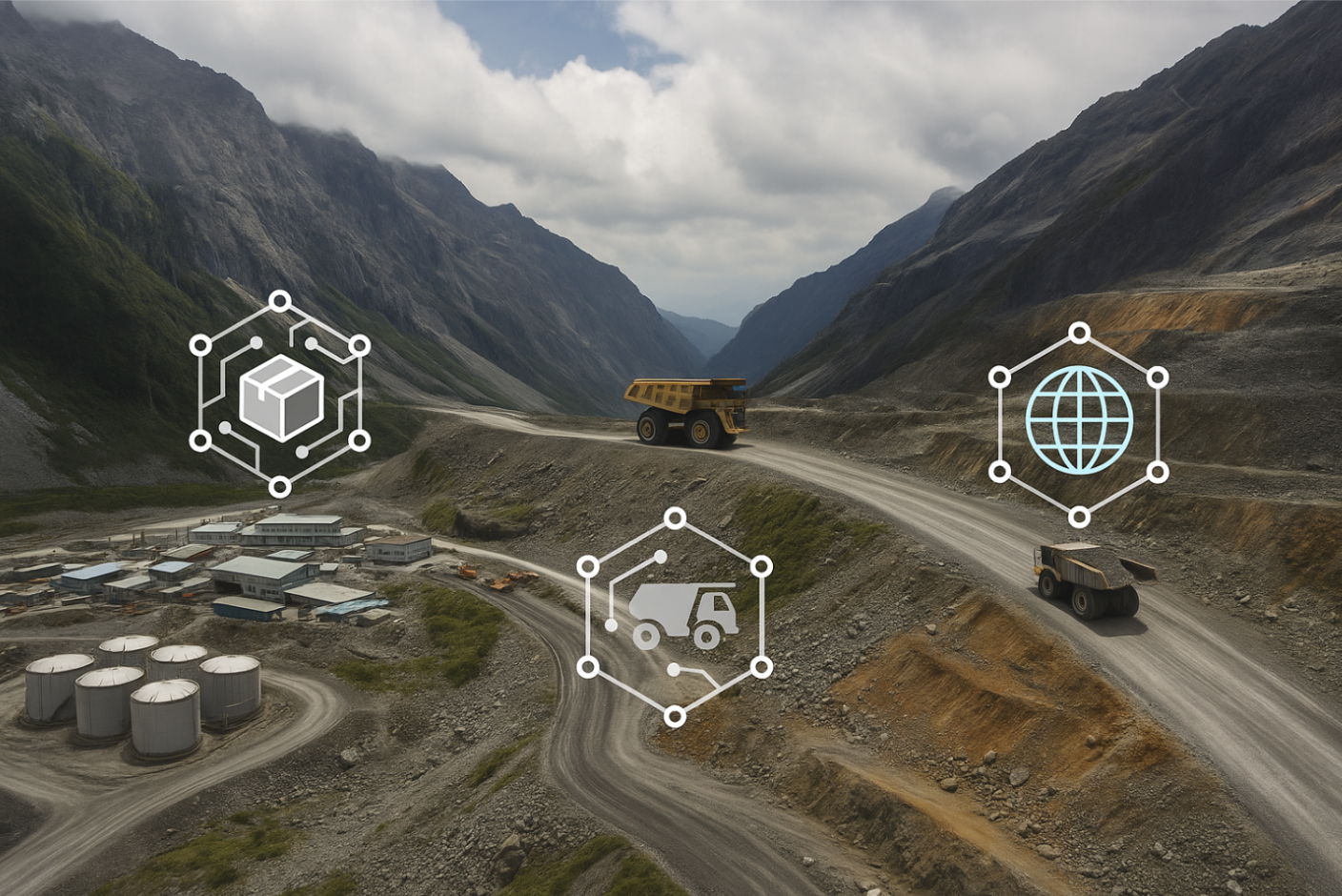
Neuralix explains how AI is transforming industrial inventory management through intelligent decision-making, predictive insights, and continuous optimization.
HOUSTON, TX, UNITED STATES, July 23, 2026 /EINPresswire.com/ -- Across industries, inventory remains one of the largest untapped opportunities for operational improvement. Organizations continue to invest billions of dollars in enterprise resource planning (ERP), maintenance, procurement, and asset management systems, yet many still struggle with duplicate materials, inaccurate demand forecasting, excess inventory, obsolete stock, and inefficient procurement processes. These challenges extend far beyond inventory management. They affect operational reliability, capital efficiency, maintenance planning, warehouse utilization, and ultimately the ability of an organization to respond quickly to changing business conditions.The next generation of industrial operations will not be defined by collecting more data. It will be defined by making better decisions with the data organizations already have. At Neuralix, we believe artificial intelligence represents a fundamental shift in how industrial supply chains operate. Rather than functioning as another analytics platform, AI should become an intelligent decision layer that continuously improves inventory quality, procurement decisions, and operational performance while working alongside existing enterprise systems.
Industrial companies generate enormous volumes of operational data every day. Enterprise systems accurately record purchase orders, maintenance activities, inventory transactions, equipment history, supplier information, and material records. However, these systems were designed to manage business processes, not continuously identify opportunities for optimization.
As operations expand across multiple facilities and business units, inventory complexity increases naturally. Similar materials may exist under different descriptions or manufacturers. Reorder points often remain unchanged long after operating conditions evolve. New material requests may be created without visibility into existing inventory. Small inconsistencies accumulate over time, resulting in higher carrying costs, unnecessary procurement, excess warehouse inventory, and reduced operational efficiency. Many organizations recognize these challenges, but addressing them manually across millions of inventory records is both time consuming and difficult to sustain.
Artificial intelligence introduces a new way of approaching industrial inventory management. Instead of relying solely on static reports or periodic data cleanup exercises, AI can continuously evaluate operational data, identify hidden relationships, detect anomalies, and generate recommendations that improve decision making. This creates an opportunity to transform inventory management from a reactive administrative process into a strategic operational capability.
Neuralix has developed an AI framework designed specifically for complex industrial environments. The platform works alongside existing ERP and operational systems, allowing organizations to enhance current workflows without replacing the infrastructure they have already invested in. By combining machine learning with engineering expertise and operational context, Neuralix enables organizations to make faster, more informed decisions across procurement, maintenance, and supply chain operations.
An intelligent inventory management strategy extends well beyond forecasting future demand. Neuralix applies artificial intelligence across the entire inventory lifecycle to help organizations:
- Detects duplicate or equivalent materials across large enterprise inventories.
- Identify slow moving, excess, and potentially obsolete inventory before carrying costs continue to increase.
- Improve demand forecasting using historical consumption, operational trends, and equipment behavior.
- Recommend optimized reorder points and inventory levels based on changing operational conditions.
- Support intelligent material creation by identifying similar materials that already exist within inventory.
- Detect unusual purchasing patterns and false demand signals before they create unnecessary procurement activity.
- Continuously improve recommendations as new operational data becomes available.
Rather than replacing the expertise of engineers, planners, and procurement teams, AI strengthens their decision making by surfacing insights that would be nearly impossible to identify manually across enterprise-scale datasets.
Traditional inventory optimization projects often deliver a snapshot in time. Once complete, inventory conditions begin changing immediately as equipment ages, suppliers evolve, maintenance strategies shift, and operational priorities change. Industrial organizations need systems that improve continuously.
Every maintenance event, purchase order, inventory transaction, and operational decision provides valuable information that can strengthen future recommendations. AI enables organizations to learn from those changes, refine forecasting models, improve governance, and adapt alongside evolving business requirements. This creates a supply chain that becomes smarter over time instead of requiring repeated manual optimization efforts.
Industrial organizations are under increasing pressure to improve efficiency while maintaining reliability, resilience, and financial discipline. Supply chains have become more complex, procurement cycles continue to evolve, and operational decisions must be made faster than ever before. Artificial intelligence provides an opportunity to fundamentally improve how these decisions are made. The organizations that will lead the next decade are not simply those collecting the most data. They will be the organizations that transform enterprise data into operational intelligence that improves every decision across maintenance, procurement, engineering, and supply chain operations.
At Neuralix, we are building AI solutions that help industrial organizations move beyond traditional reporting and toward intelligent, continuously improving operations. We believe the future of industrial supply chains lies in combining enterprise data, engineering expertise, and artificial intelligence to create more resilient operations, stronger financial performance, and better outcomes across the entire industrial enterprise.
Vikram Jayaram
Neuralix Inc.
email us here
Visit us on social media:
LinkedIn
Legal Disclaimer:
EIN Presswire provides this news content "as is" without warranty of any kind. We do not accept any responsibility or liability for the accuracy, content, images, videos, licenses, completeness, legality, or reliability of the information contained in this article. If you have any complaints or copyright issues related to this article, kindly contact the author above.
