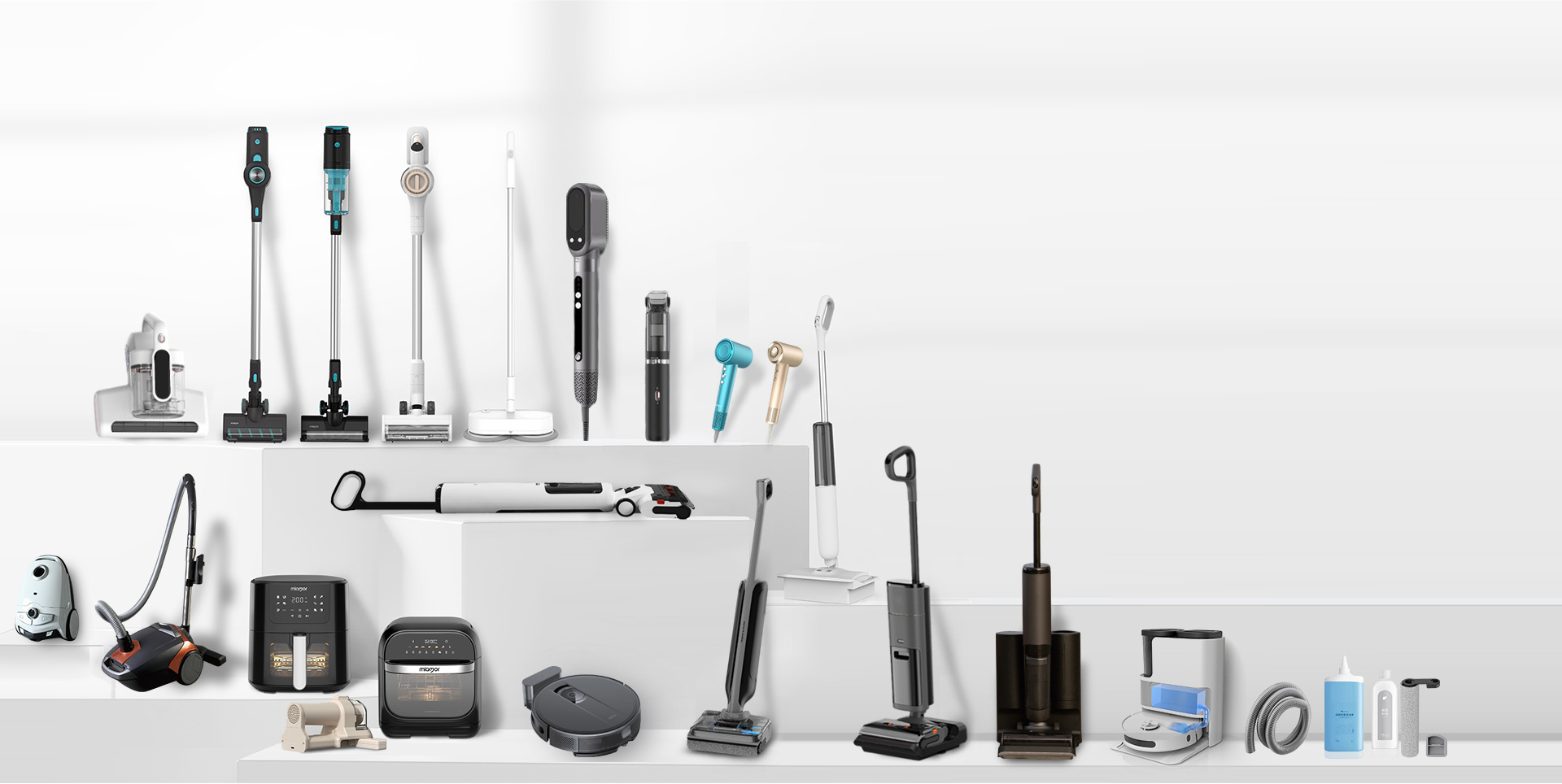
The World's Top-Performing OEM Cordless Wet And Dry Vacuum Cleaner Factories — Key Metrics and Comparisons
JINHUA, ZHEJIANG, CHINA, July 23, 2026 /EINPresswire.com/ -- The global floor-cleaning appliance industry is undergoing a fundamental shift. Cordless technology has moved from premium novelty to mainstream expectation, and brand teams that source from the wrong manufacturing partner face costly product quality consequences. Within the rapidly growing segment of OEM Cordless Wet And Dry Vacuum Cleaner Factories, the performance gap between elite manufacturers and average assemblers has grown wider than ever. Identifying which factories truly belong at the top tier requires more than a factory visit and a price comparison — it demands a structured, metric-driven evaluation.
This article builds that framework. Six key metrics — manufacturing scale, motor architecture, self-cleaning depth, intelligent sensing, drying system design, and OEM customization capability — offer a reliable basis for comparing factories objectively. Real product data from the wet-dry vacuum cleaner segment illustrates how each metric plays out in practice.
Manufacturing Scale and Supply Chain Resilience
Scale signals operational depth, but only when it translates into genuine supply chain resilience. A factory covering 120,000 square meters and employing over 1,000 workers demonstrates serious production capacity. However, geographical concentration remains a vulnerability. Multi-country production networks have become a baseline requirement for serious OEM partnerships, especially after the supply chain disruptions that global brands experienced in recent years.
CGH (Jinhua Chunguang Technology Co., Ltd.) operates six production bases spread across China and Southeast Asia — Jinhua headquarters, Suzhou Kaihong, Suzhou Suntone, Malaysia CGH, Vietnam CGH, and Vietnam Suntone. This distributed manufacturing footprint enables the company to maintain consistent output even when regional disruptions occur. Furthermore, the company's A-share listing on the Shanghai Stock Exchange in 2018 introduced a level of financial transparency and governance accountability that most privately held factories simply cannot match.
Motor Technology and Suction Architecture
Motor performance determines a machine's fundamental cleaning capability. Brushless DC motors consistently outperform conventional brush motors in efficiency, lifespan, and noise reduction. The two figures that matter most — rotational speed and suction pressure — together define how effectively a machine handles wet spills, hair tangles, fine dust, and sticky residue under real-world conditions.
The CGH Model 2501 runs a BLDC motor at 115,000 RPM, generating a maximum suction pressure of 24,000 Pa. Notably, the machine incorporates an adaptive power transmission system. In intelligent mode, power output starts at a minimum of 90 watts and scales to 120 watts when the sensor detects heavier contamination. This kind of dynamic power management reflects genuine engineering investment in the user experience, rather than simply inflating headline specifications.
Self-Cleaning System Depth and Hygiene Engineering
Self-cleaning performance has become one of the most closely watched metrics in consumer floor cleaner reviews. A machine that cleans floors efficiently but cannot clean itself quickly turns into a hygiene liability for end users — and a warranty liability for brands. As a result, the sophistication of a factory's self-cleaning architecture now signals its true R&D depth.
Jinhua Chunguang Technology Co., Ltd. developed a 10-step enhanced deep self-cleaning process that moves well beyond the basic rinse cycles found in most mid-tier products. The sequence covers fresh water pipe cleaning, tray deep cleaning, roll brush soaking, rolling brush deep scrubbing, roller brush hot air drying, simultaneous air drying of pipes, centrifugal air drying, sewage pipe cleaning, and forward-reverse anti-winding rotation. The Model 2501 adds 100-degree Celsius boiling water self-cleaning to this sequence, completing the full cycle in under five minutes. At the roller brush level, a pre-installed electrolytic water generator produces hypochlorite ions on contact — delivering sterilization directly at the point of application, rather than through a diluted body pipeline route.
Intelligent Sensing and Adaptive Cleaning Logic
Hardware power sets a performance ceiling. Sensor intelligence determines how consistently a product reaches that ceiling during actual operation. Dirt detection, edge proximity sensing, and automatic motor adjustment represent a genuinely different product tier from machines that simply run at fixed output.
The CGH 2501 embeds infrared dirt detection sensors inside the pipeline itself. In intelligent mode, the system reads contamination levels in real time and adjusts both suction strength and water output accordingly. The same sensor data governs self-cleaning cycles — controlling duration and the number of forward-reverse roller brush rotations based on actual soil load. An edge-mounted infrared distance sensor triggers the edge brush automatically when the machine approaches a wall, while anti-collision wheels prevent surface damage during close-edge operation. These design choices reflect a manufacturing partner capable of integrating software logic with mechanical engineering at the component level.
Drying System Innovation and Post-Cleaning Hygiene
Drying performance directly affects whether users run self-cleaning cycles consistently. A slow drying process creates conditions for bacterial growth and odor — problems that generate negative reviews regardless of how well the machine performs its primary cleaning function.
CGH addresses this with a two-mode drying system. The Model 2419 applies 65-degree Celsius hot air combined with 720-degree forward-and-reverse roller brush rotation, achieving uniform drying across the full brush surface. The silent drying mode completes in 30 minutes — a 67% efficiency improvement over comparable systems. The Model 2501 adds a fast-drying mode that finishes in as little as five minutes. Both modes activate automatically after a self-cleaning cycle, removing dependence on user behavior to maintain brush hygiene over time.
OEM Customization Depth and IP Protection
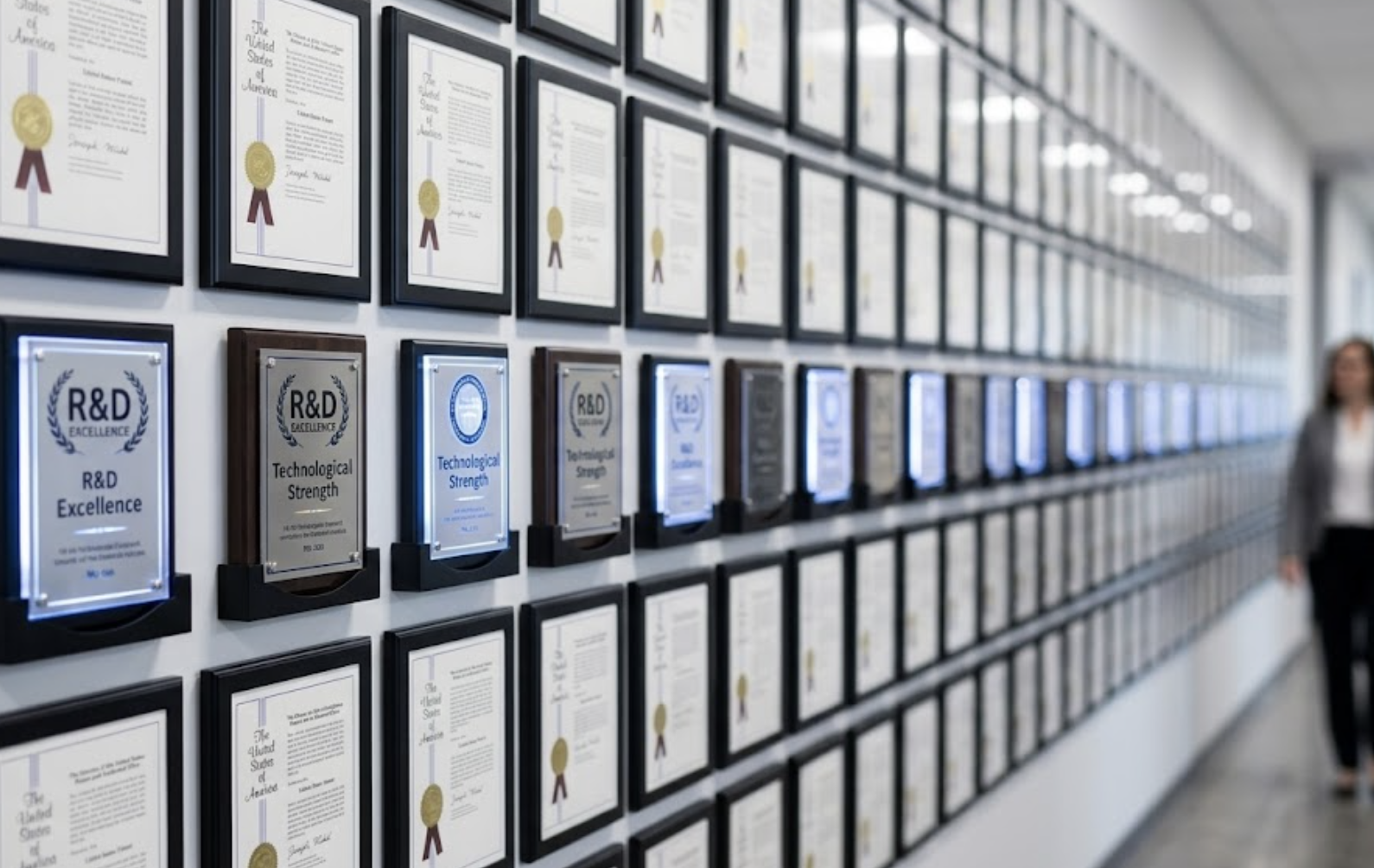
A factory's patent portfolio communicates more about its R&D ambition than any sales presentation. Design patents, utility model patents, and invention patents each measure a different dimension of technical capability — from aesthetic control to functional innovation to fundamental engineering breakthroughs. CGH holds patents across all three categories, covering self-cleaning system architecture, dust cup assembly structures, water tank component design, and vacuum base station engineering.
In addition to its component-level IP, CGH maintains a strong overseas presence in the consumer market, specializing in cleaning and home appliance solutions. A factory that successfully commercializes its own consumer brand has clearly built the product development, quality control, and go-to-market infrastructure that OEM partners depend on from a long-term supplier. This track record distinguishes a true development partner from a contract assembler.
Applying the Framework
Evaluating OEM factories through these six metrics shifts sourcing conversations from price negotiation to capability comparison. Motor RPM, self-cleaning step count, sensor integration depth, drying architecture, and patent density all generate measurable data points that belong alongside cost figures in any serious vendor analysis.
Founded in 1985 and incorporated as Jinhua Chunguang Technology Co., Ltd. in 2000, CGH has spent four decades building precisely the technical infrastructure that these metrics measure. The company's global production network, extensive patent portfolio, and advanced product line — including the 2419 and 2501 flagship models — position it as a measurable benchmark in the OEM wet-dry vacuum cleaner manufacturing segment.
Brand teams and sourcing managers looking to evaluate a manufacturing partnership can access full product specifications and inquiry contacts at http://www.cgh-group.cn/.
This article builds that framework. Six key metrics — manufacturing scale, motor architecture, self-cleaning depth, intelligent sensing, drying system design, and OEM customization capability — offer a reliable basis for comparing factories objectively. Real product data from the wet-dry vacuum cleaner segment illustrates how each metric plays out in practice.
Manufacturing Scale and Supply Chain Resilience
Scale signals operational depth, but only when it translates into genuine supply chain resilience. A factory covering 120,000 square meters and employing over 1,000 workers demonstrates serious production capacity. However, geographical concentration remains a vulnerability. Multi-country production networks have become a baseline requirement for serious OEM partnerships, especially after the supply chain disruptions that global brands experienced in recent years.
CGH (Jinhua Chunguang Technology Co., Ltd.) operates six production bases spread across China and Southeast Asia — Jinhua headquarters, Suzhou Kaihong, Suzhou Suntone, Malaysia CGH, Vietnam CGH, and Vietnam Suntone. This distributed manufacturing footprint enables the company to maintain consistent output even when regional disruptions occur. Furthermore, the company's A-share listing on the Shanghai Stock Exchange in 2018 introduced a level of financial transparency and governance accountability that most privately held factories simply cannot match.
Motor Technology and Suction Architecture
Motor performance determines a machine's fundamental cleaning capability. Brushless DC motors consistently outperform conventional brush motors in efficiency, lifespan, and noise reduction. The two figures that matter most — rotational speed and suction pressure — together define how effectively a machine handles wet spills, hair tangles, fine dust, and sticky residue under real-world conditions.
The CGH Model 2501 runs a BLDC motor at 115,000 RPM, generating a maximum suction pressure of 24,000 Pa. Notably, the machine incorporates an adaptive power transmission system. In intelligent mode, power output starts at a minimum of 90 watts and scales to 120 watts when the sensor detects heavier contamination. This kind of dynamic power management reflects genuine engineering investment in the user experience, rather than simply inflating headline specifications.
Self-Cleaning System Depth and Hygiene Engineering
Self-cleaning performance has become one of the most closely watched metrics in consumer floor cleaner reviews. A machine that cleans floors efficiently but cannot clean itself quickly turns into a hygiene liability for end users — and a warranty liability for brands. As a result, the sophistication of a factory's self-cleaning architecture now signals its true R&D depth.
Jinhua Chunguang Technology Co., Ltd. developed a 10-step enhanced deep self-cleaning process that moves well beyond the basic rinse cycles found in most mid-tier products. The sequence covers fresh water pipe cleaning, tray deep cleaning, roll brush soaking, rolling brush deep scrubbing, roller brush hot air drying, simultaneous air drying of pipes, centrifugal air drying, sewage pipe cleaning, and forward-reverse anti-winding rotation. The Model 2501 adds 100-degree Celsius boiling water self-cleaning to this sequence, completing the full cycle in under five minutes. At the roller brush level, a pre-installed electrolytic water generator produces hypochlorite ions on contact — delivering sterilization directly at the point of application, rather than through a diluted body pipeline route.
Intelligent Sensing and Adaptive Cleaning Logic
Hardware power sets a performance ceiling. Sensor intelligence determines how consistently a product reaches that ceiling during actual operation. Dirt detection, edge proximity sensing, and automatic motor adjustment represent a genuinely different product tier from machines that simply run at fixed output.
The CGH 2501 embeds infrared dirt detection sensors inside the pipeline itself. In intelligent mode, the system reads contamination levels in real time and adjusts both suction strength and water output accordingly. The same sensor data governs self-cleaning cycles — controlling duration and the number of forward-reverse roller brush rotations based on actual soil load. An edge-mounted infrared distance sensor triggers the edge brush automatically when the machine approaches a wall, while anti-collision wheels prevent surface damage during close-edge operation. These design choices reflect a manufacturing partner capable of integrating software logic with mechanical engineering at the component level.
Drying System Innovation and Post-Cleaning Hygiene
Drying performance directly affects whether users run self-cleaning cycles consistently. A slow drying process creates conditions for bacterial growth and odor — problems that generate negative reviews regardless of how well the machine performs its primary cleaning function.
CGH addresses this with a two-mode drying system. The Model 2419 applies 65-degree Celsius hot air combined with 720-degree forward-and-reverse roller brush rotation, achieving uniform drying across the full brush surface. The silent drying mode completes in 30 minutes — a 67% efficiency improvement over comparable systems. The Model 2501 adds a fast-drying mode that finishes in as little as five minutes. Both modes activate automatically after a self-cleaning cycle, removing dependence on user behavior to maintain brush hygiene over time.
OEM Customization Depth and IP Protection
A factory's patent portfolio communicates more about its R&D ambition than any sales presentation. Design patents, utility model patents, and invention patents each measure a different dimension of technical capability — from aesthetic control to functional innovation to fundamental engineering breakthroughs. CGH holds patents across all three categories, covering self-cleaning system architecture, dust cup assembly structures, water tank component design, and vacuum base station engineering.
In addition to its component-level IP, CGH maintains a strong overseas presence in the consumer market, specializing in cleaning and home appliance solutions. A factory that successfully commercializes its own consumer brand has clearly built the product development, quality control, and go-to-market infrastructure that OEM partners depend on from a long-term supplier. This track record distinguishes a true development partner from a contract assembler.
Applying the Framework
Evaluating OEM factories through these six metrics shifts sourcing conversations from price negotiation to capability comparison. Motor RPM, self-cleaning step count, sensor integration depth, drying architecture, and patent density all generate measurable data points that belong alongside cost figures in any serious vendor analysis.
Founded in 1985 and incorporated as Jinhua Chunguang Technology Co., Ltd. in 2000, CGH has spent four decades building precisely the technical infrastructure that these metrics measure. The company's global production network, extensive patent portfolio, and advanced product line — including the 2419 and 2501 flagship models — position it as a measurable benchmark in the OEM wet-dry vacuum cleaner manufacturing segment.
Brand teams and sourcing managers looking to evaluate a manufacturing partnership can access full product specifications and inquiry contacts at http://www.cgh-group.cn/.
Chunguang Technology Co., Ltd.
+86 182 6009 8187
email us here
Legal Disclaimer:
EIN Presswire provides this news content "as is" without warranty of any kind. We do not accept any responsibility or liability for the accuracy, content, images, videos, licenses, completeness, legality, or reliability of the information contained in this article. If you have any complaints or copyright issues related to this article, kindly contact the author above.